Telepan – NY, NY

I usually don’t ransack my bank account in order to eat well in NY. However, on nights when I want a meal that will knock socks off, I dig out my debit card and head on over to Chef Bill Telepan’s eponymous restaurant, Telepan. Located on Manhattan’s Upper West Side and, happily, a short walk from my apartment, Telepan serves exceptional seasonal, New American cuisine in a low key but smart former townhouse.

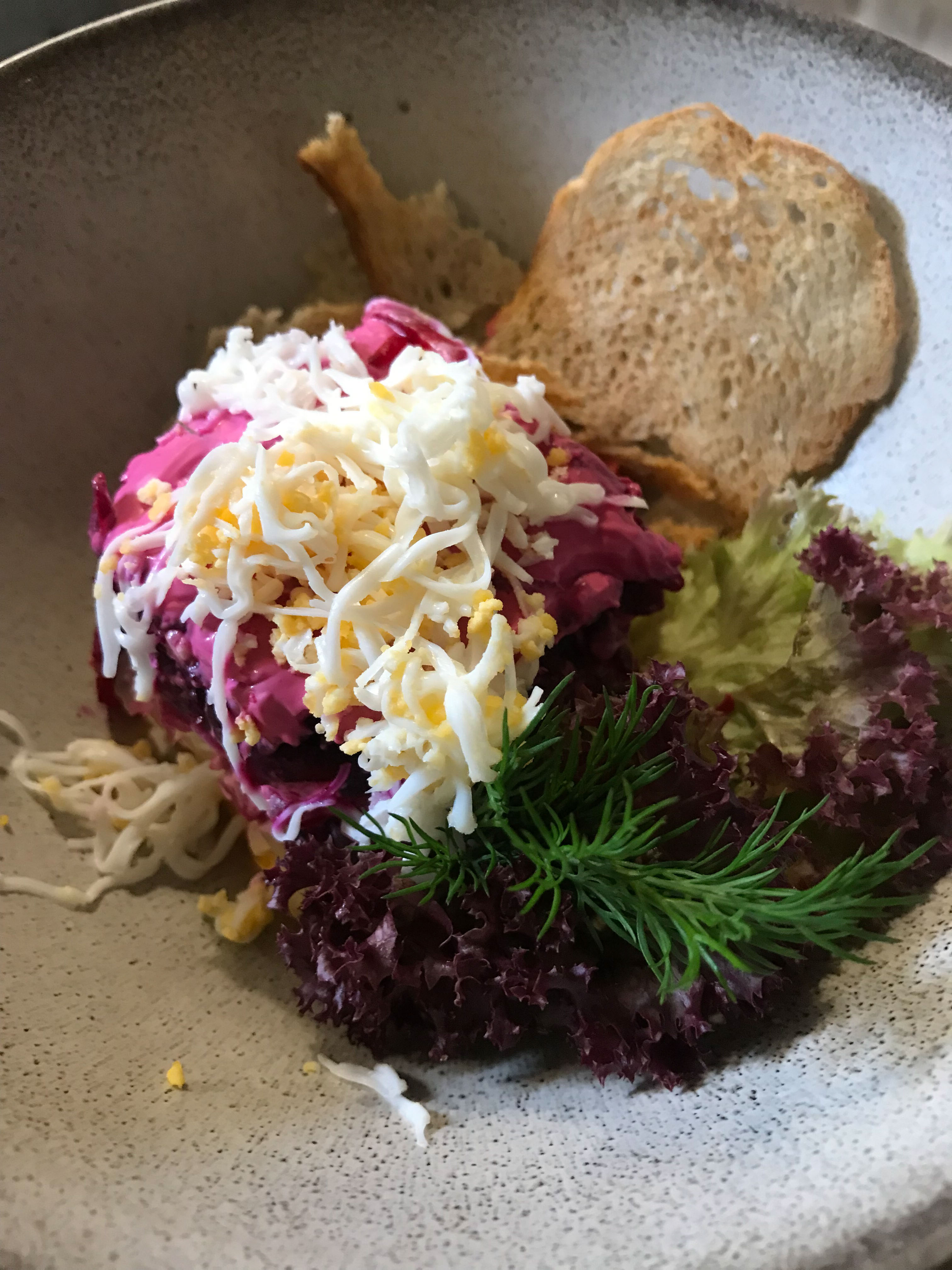
Much has been made of Telepan’s dedication to Greenmarket cooking. Granted, it’s not a new concept but it is one of which he is a master. Each dish shines with its own well-paired, fresh, seasonal ingredients. Take, for instance, my favorite Telepan appetizer — sunny-side egg with fried green tomato, cloth bound cheddar and spring onion. Just typing that description makes me crave this summery starter. Then there are the ricotta and herb ravioli with roasted tomato, gazpacho salad, and house-smoked brook trout with corn blini. All showcase seasonal ingredients. All are delicious.

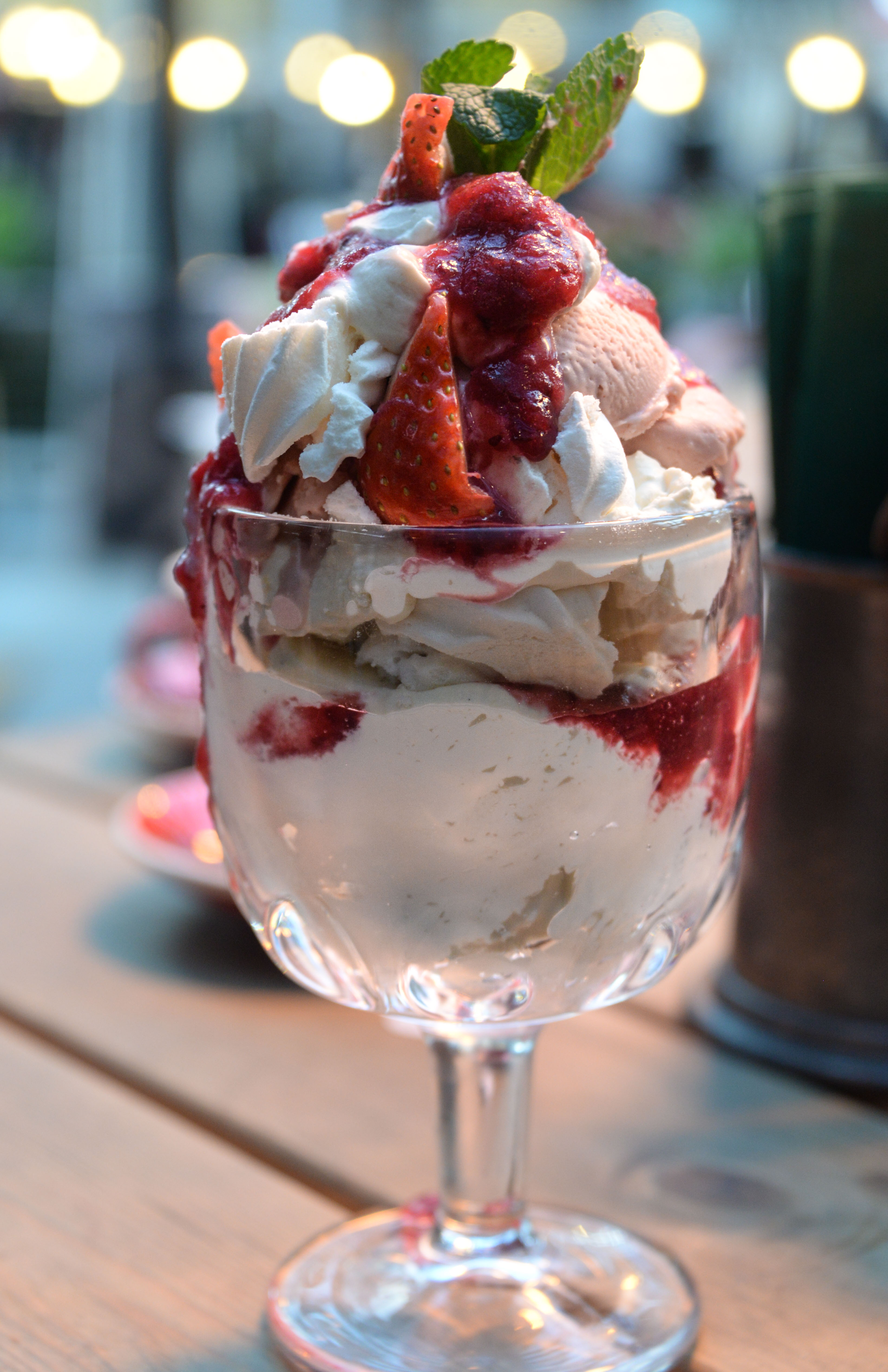
The gastronomical delights don’t end with hors d’oeuvres. An ardent seafood eater, I adore the roasted trout panzanella and wild sockeye salmon with olive oil potato gratin. The chicken with wild mushrooms, spinach and gnocchi likewise gets rave reviews as do the desserts. While I’m a sucker for the Telepan S’more – a crisp brownie topped with a toasted homemade marshmallow, generous scoop of graham cracker ice cream and square of dark chocolate – fruit fans may prefer the blueberry cheesecake sundae or peach granita parfait. If you can’t decide on one, order two or three. They’re quite lovely.

Along with great food and exemplary service, I appreciate the physical presence of the chef in his own restaurant. When I had dinner there on a recent Saturday night, Chef Telepan emerged from the kitchen in his apron and checkered pants and chatted with diners. Not once have I seen Mario Batali or Jose Garces pop out from behind the stove – or even step through the front door – and check in with the patrons of their restaurants. That I could find a high caliber chef cooking on a Saturday night in the dead of summer . . . just amazing.

And that’s how I’d describe my dining experiences at Telepan — just amazing.

Floundering


In the name of research I went flounder fishing this week. Prior to this trip, the only fish that I had ever caught was an Allegheny River suckerfish. Since I’m working on a book about seafood, it seemed like the ideal time to hit the water and land a far more delectable fish.

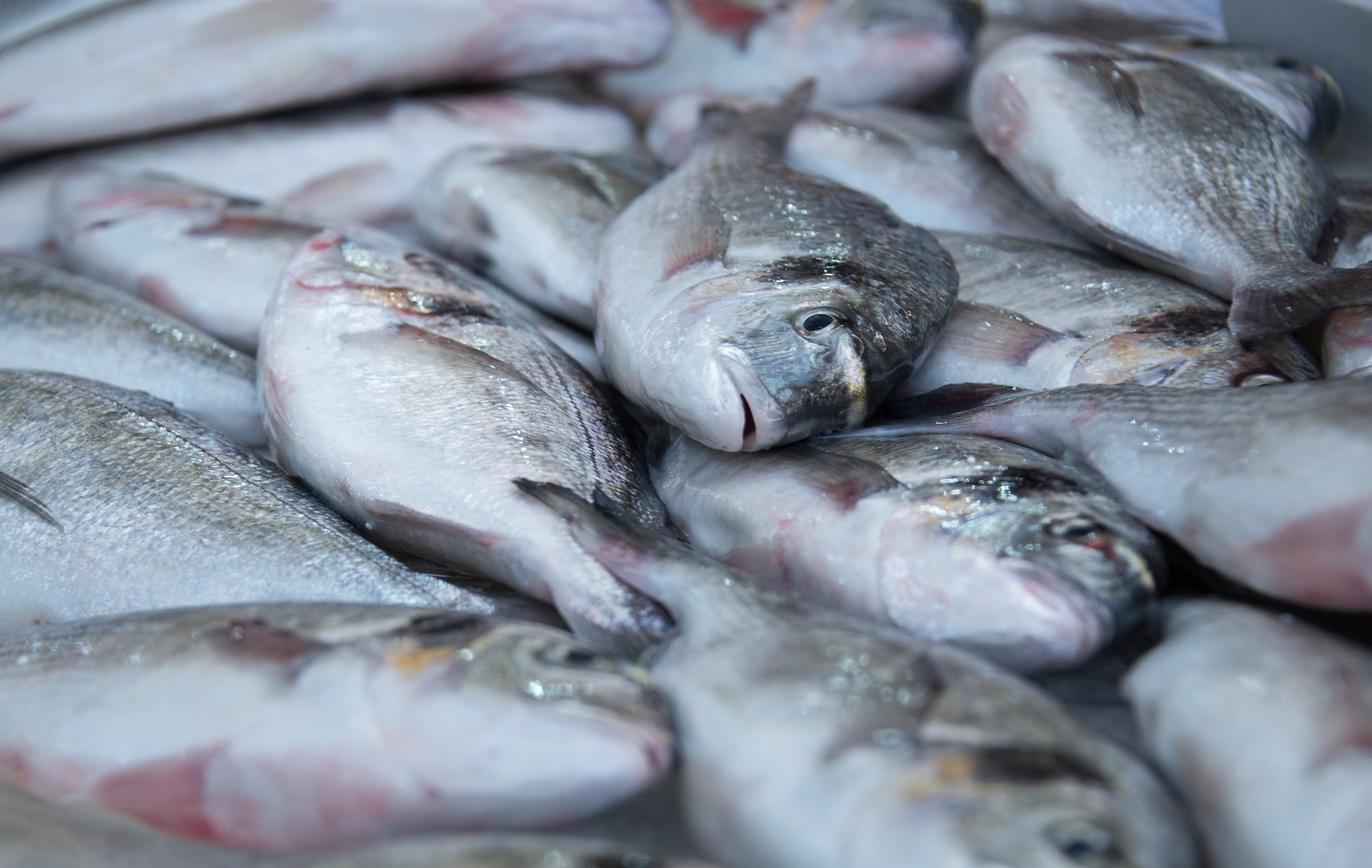
Found in the Atlantic Ocean, flounder is, as you probably can tell from the above photo, a flatfish. It’s related to sole, dab and plaice. Like all flatfish, it swims on its side and has eyes situated on one side of its head.

Camouflaged by its coloring, flounder buries itself in the sand to hide from predators. Unfortunately, this trick doesn’t thwart commercial fishermen who catch great numbers of it with bottom trawls. As a result of this fishing practice, the flounder population has dwindled, leaving novices like me as well as skilled amateurs with meager catches. In 7 1/2 hours I caught three flounder, two of which were undersized and had to be tossed back into the ocean. I couldn’t chalk this up to skill for my seasoned fishing buddies had the same bad luck.

With its mild flavor and delicate flesh, flounder wins over many reluctant seafood eaters. Sold filleted, it responds well to such simple techniques as baking, broiling, poaching, steaming and sautéing. Because it is such a thin fish, you should cook flounder for only a few minutes. To ensure that it doesn’t dry out and fall apart, many chefs advise cooking it for less than 5 minutes.

Flounder partners nicely with a variety of foods including bell peppers, Gruyere and Parmesan cheeses, mushrooms, spinach, tomatoes and zucchini. Its subtle flavor is also complimented by butter, chives, cream, dill, fennel, lemon, mint, parsley, shallots, tarragon and white wine.

Refrigerated, whole flounder will keep for 2 days. Fillets will keep for 1 day. Due to the high level of PCBs found in flounder, the Environmental Defense Fund recommends eating this fish no more than once/month.

BAKED FLOUNDER
This recipe comes courtesy of friend and far more experienced fisherwoman, Lisa Hancock.
Serves 4

4 tablespoons unsalted butter
4 flounder fillets
1 lemon, halved
salt, to taste
ground black pepper, to taste

Place a Pyrex baking dish on the upper oven rack and preheat the oven to 475 degrees Fahrenheit.

Drop the butter into the hot baking dish, being careful not to burn yourself. Swirl the butter around the dish and then add the flounder fillets, spooning melted butter over the tops to coat.

Bake for 2 to 3 minutes. Remove the fish from the oven, squeeze lemon juice over the fillets and return to the oven. Bake until the fillets are opaque in color, about 1 to 2 minutes. Remove and season with salt and ground black pepper. Serve with grilled zucchini, sauteed spinach or a salad featuring tomatoes and bell peppers.

Care for a Mocktail?

As much as I enjoy a good cocktail, I realize that not every occasion calls for a sweet, intoxicating drink. Take, for instance, hot summer days when everyone craves more thirst-quenching beverages. Likewise, the nights when we’re all counting calories — a common activity for food journalists — and we need something kinder to our waistlines. Let’s not forget the times when we’re juggling the demands of work, playing host or serving as designated driver; we want to be refreshed, fit into the party but keep clear heads.

Enter the mocktail. Perfect for quenching thirsts and staying alert yet festive enough for any celebratory event, faux cocktails can replace even the most beloved alcoholic drink.

MANGO-PAPAYA SPRITZER
Serves many

1/2 part mango juice
1/4 part papaya juice
1/8 part orange juice
1/8 part seltzer

Fill a large pitcher halfway with mango juice. Add papaya juice, orange juice and seltzer and stir to combine. Refrigerate until ready to consume. Pour into cocktail glasses or into ice cube-filled tumblers.

BANANA COLADA
Adapted from Ben Reed’s The Art of the Cocktail (Ryland, Peters and Small, 2004)
Serves 2

2 ripe bananas
1 1/4 ounces coconut cream
1 tablespoon whipping/light cream
10 ounces pineapple juice
handful of ice cubes

Put all the ingredients into a blender and blend until smooth. Pour into a hurricane glass and serve.

ICED BLACK ‘N’ WHITE
With a nod to the ubiquitous black ‘n’ white cookie of NYC, I’ve dubbed this blend of coffee, ground chocolate, milk and vanilla an iced black ‘n’ white coffee.
Serves 2

ice cubes, enough to fill two glasses
8 ounces (1 cup) strongly brewed coffee, at room temperature
2 ounces (1/4 cup) milk
1 teaspoons granulated sugar
1/4 teaspoon vanilla extract
dash of sweetened ground chocolate

Fill two tall glasses with ice cubes. Mix together the coffee, milk, sugar and vanilla extract and pour into the glasses. Sprinkle sweetened ground chocolate over top and serve.

HORSE’S FALL
from Stuart Walton’s The Ultimate Book of Cocktails (Hermes House, 2003)
Serves 1

1 lemon or a paper cocktail umbrella
3 tablespoons raspberry, orange pekoe or Assam tea, chilled
1 1/2 tablespoons unsweetened apple juice
4 ounces ginger ale or lemonade, chilled

Cut the rind from the lemon in one continuous strip and use it to line and decorate a long cocktail glass or decorate with a paper cocktail umbrella.

Measure the tea and apple juice into a cocktail shaker and shake for 20 seconds. Strain into the prepared glass. Finish with ginger ale or lemonade.

ICED CARDAMOM COFFEE
Adapted from Matthew Tekulsky’s Making Your Own Gourmet Coffee Drinks (Crown Publishers, Inc., 1993)
Serves 2

3 cardamom pods, crushed
8 ounces water
4 tablespoons ground coffee
sugar, to taste
ice cubes, enough to fill two glasses

Boil the cardamom pods in 8 ounces water for about 5 minutes. Strain, cool and use this water to brew your coffee. Brew the coffee and cool to room temperature. Add sugar, to taste. Pour the coffee into two, ice cube-filled glasses and enjoy.

Classically Cool Cocktails

As the temperature soars to 100 degrees today, it feels far too hot to discuss, much less think about, cooking. Rather, it seems like the ideal time to talk about cold drinks. Although I’ve been swilling chilled seltzer all week, I’ll skip the fizzy, non-alcoholic beverages and instead hone in on some timeless cocktails.

Thanks to a story in David Schickler’s Kissing in Manhattan that mentions this gem as well as a friend’s unwavering passion for it, I will forever remember the sidecar. Its name supposedly comes from the transportation habits of its creator, a French army officer who always traveled in a motorcycle sidecar. Nom de plume aside, the sidecar consists of a few simple ingredients — brandy, orange-flavored liqueur such as Triple Sec or Cointreau, lemon juice and ice. Shake it all together, strain it into a cocktail glass and you have a cool Parisian classic for summer.

Sometimes it’s the look and not the taste of a drink that dazzles me. That’s the case with the Pink Lady. Invented before World War I to honor a stage play, the Pink Lady derives its color from the ruby red pomegranate syrup known as grenadine. Its sister drink, the White Lady, replaces grenadine with creme de menthe. Hence the whiteness in White Lady.

Whenever the Angophile in me kicks into full swing, I pull out my bottle of Pimm’s No. 1 and throw together a Pimm’s Cup. Long associated with English summers, the gin-based Pimm’s originated in London in the 1820′s. It was then that oyster bar owner James Pimm created his eponymous beverage as a way to distinguish his pub from all the others in town. Requiring only Pimm’s No. 1, a little lemonade or lemon-lime soda and ice, it’s an uncomplicated and refreshing drink.

SIDECAR
Makes 1 drink

ice
1 1/2 ounce brandy
1/2 ounce Triple Sec
freshly squeezed lemon juice
plastic green monkey, optional

Fill a cocktail shaker with ice and then add the brandy and Triple Sec. Top off with freshly squeezed lemon juice. Shake, strain into a chilled, shallow cocktail glass, dangle the optional green monkey from the side of the glass and serve.

PINK LADY
Makes 1 drink

ice
1 1/2 ounces gin
1 1/2 ounces heavy cream
1 teaspoon lemon juice
1 teaspoon grenadine

Place the ingredients in a cocktail shaker, shake together, strain and serve.

PIMM’S CUP
This recipe is taken directly from the back of my bottle of Pimm’s No. 1
Serves 1

ice
1.5 ounces Pimm’s No. 1
ginger ale or lemon-lime soda
lemon slice

Fill a tall glass with ice. Add Pimm’s and then top off with ginger ale or lemon-lime soda. Garnish with a lemon slice.

Victory Brewing Company – Downingtown, PA

I have a love-hate relationship with brewpubs. Often I love the rich craft beer on tap but abhor the greasy burgers, limp fries and canned cheese-coated nachos on offer. Other times I adore the creative menu but loathe the insipid brew that’s served. At Victory Brewing Company in Downingtown, Penna. I’ve found the best of both worlds — award-winning beers and really good grub.

Opened in 1996 by childhood friends and brewers Bill Covaleski and Ron Barchet, Victory features such signature brews as the pilsner Prima Pils, the hoppy Hop Devil Ale and the Belgian-style Golden Monkey. It also has over a dozen other draft and a rotation of cask beers. For those unfamiliar with cask beer, this is a British style of serving where the beer is unfiltered, is less carbonated and possesses a smoother, creamier texture than draft.

I might travel to Victory for the beer but I stay for the food. Eggplant fries dressed with marinara, black bean quesadillas dunked in blackened tomato salsa and Mad King’s tuna – seared, sesame-crusted tuna served over wontons and with seaweed salad and peanut sauce – are among a dozen standout starters. A creature of habit, I always order the hand-tossed pretzel with Dusseldorf mustard. With its warm, crisp crust and velvety interior this plump pretzel has become my must-have dish at Victory.

Every appetizer and entree has a suggested drink pairing. Take the jerk portobello mushroom grinder. Topped with gouda cheese and chipotle mayonnaise, this smokey sandwich goes well with Victory’s earthy Helios Ale. As luck would have it, my favorite salad of strawberries, goat cheese, cucumbers, toasted almonds and mesclun partners perfectly with my favorite beer, Golden Monkey. Truthfully, I would have paired the two together anyway but it’s nice to know that I’m choosing wisely.

Dessert? By the time I’ve finished my meal and a beer or two, I’m too full to contemplate another bite of food. Why not take a road trip this summer to Victory Brewing Company and get back to me on how dessert is. Chances are that you’ll be too dazzled by the beverages and bites to consider the dessert menu.

Happy Bastille Day!

In honor of Bastille Day here’s an excerpt from the article “Viva la France” published in Chester County Town and Country Living. Grab a glass of champagne and enjoy!

Break out the flags and fireworks. Chill that bottle of champagne. Don’t forget to dig out your old, souvenir beret. It’s time to celebrate freedom and equality the French way!

This year marks the 222nd anniversary of the storming of the infamous prison, the Bastille, and freeing of its seven prisoners. On July 14, 1789 the Bastille stood for everything that the people of Paris and France despised – a government of despotic monarchs such as King Louis XVI. Just as the signing of the Declaration of Independence did in America in 1776, the takeover of the Bastille kicked off the start of a revolution in France. It likewise went on to symbolize the birth of the Republic and a new way of governing.

On my first trip to France I mistakenly thought that I would visit this famous, 14th century fortification. No such luck. The Bastille was demolished a few months after the assault. At the Place de la Bastille there now exists a traffic circle. The prison is, as my Lonely Planet guidebook indicated, the “most famous monument in Paris that doesn’t exist.”

Bricks and mortar may have disappeared but the significance of the structure perseveres. The 14th of July, or le quatorze juillet as it is called in France, is the country’s largest national holiday with festivities occurring throughout the land.

In Paris the celebration kicks off on the evening of July 13. On that night revelers dance in Bastille Square and at various balls throughout the city. On the morning of July 14 the fetes adopt a more patriotic but no less joyful tone. In Paris the President leads a military parade from the Arc de Triomphe down the Champs Elysées to the Place de la Concorde. Jets fly in formation overhead while the throngs look on from the parade route along Paris’s most prestigious avenue. The events continue throughout the day with special luncheons and picnics. At night fireworks fill the sky across the country, capping off 24 hours of festivities.

Americans aren’t exempt from Bastille Day mania. In New York mimes, cancan dancers, picnic tables, food vendors and wine tasting stands line three blocks of 60th Street at the event know as Bastille Day on 60th Street. For me, though, the party doesn’t start until I’ve had my first bite of French food. This means noshing on such quintessential French offerings as buttery, flaky croissants, fruit-filled crepes, Brie and Camembert cheese-stuffed baguettes, chocolate-topped éclairs and powdered sugar-dusted cream puffs. Trés magnifique!

A hundred miles away in Philadelphia Francophiles come out in droves for Fairmount French Fling Weekend. There restaurants pull out all the stops and showcase such specialties as ratatouille, escargot, croque monsieur and coq au vin. Bottles of champagne, Kronenbourg 1664 beer, and créme de cassis, a black currant liqueur from Burgundy, flow freely through the weekend.

The highpoint of Philadelphia’s bash is the reenactment of the storming of the Bastille. Portrayed by members of the Old Fort Mifflin Historical Society, costumed revolutionaries rush the Eastern State Penitentiary. There Marie Antoinette shouts “Let them eat Tastykake!” while hurling 2,000 Butterscotch Krimpets from the prison tower.

And speaking of butterscotch . . .

BUTTERSCOTCH OATMEAL COOKIES
Makes 2 dozen

1/4 pound unsalted butter, at room temperature
1/2 cup brown sugar, firmly packed
1/2 cup granulated sugar
1 large egg
1/2 teaspoon vanilla
1 1/8 cup flour
1/2 teaspoon salt
1/2 teaspoon baking soda
1/2 cup rolled oats
1 cup butterscotch chips

Preheat the oven to 375 degrees Fahrenheit. Grease two cookie sheets.

In a large bowl and using an electric mixer, beat the butter until light and fluffy, about 5 minutes. Slowly add the two sugars, beating until the mixture is creamy and well-combined. Add the egg and vanilla and beat again.

Mix the flour, salt and baking soda together and then add it to the butter-sugar mixture, beating until well-combined. Add the rolled oats and butterscotch chips and, using a spatula or wooden spoon, stir until blended. Spoon out 1 teaspoon of the batter onto a cookie sheet. Leaving one inch between the cookies, continue to drop spoonfuls of batter onto the sheets until all the batter is gone. Bake until the cookies are slightly brown around the edges, about 8 to 10 minutes.

Feast

Every now and then I get a cookbook that I not only love but also make one of my best kitchen friends. Among the members of this exclusive bunch is Nigella Lawson’s Feast (Hyperion, 2004). Similar to her first book How to Eat, Feast never fails to chase away my cooking blues or tantalize my taste buds.

Possessing the tag lines “food to celebrate life” and “a feast for every reason,” Feast presents its recipes according to events. Halloween, Easter, New Year’s and Valentine’s Day all have sections as do weddings, funerals, breakfast, meatless dinners and midnight feasts. Lawson provides a little something for practically every occasion and includes her lively wit and humor with each recipe.

Thumb through my copy of Feast and you’ll notice little scraps of paper scattered throughout the book. The first appears on page 44. Like the others that follow, this faded receipt indicates an exceptional dish, in this case for pink picante shrimp. Served as both an appetizer and an entree, Lawson’s paprika- and pink peppercorn-studded shrimp garner rave reviews every time.

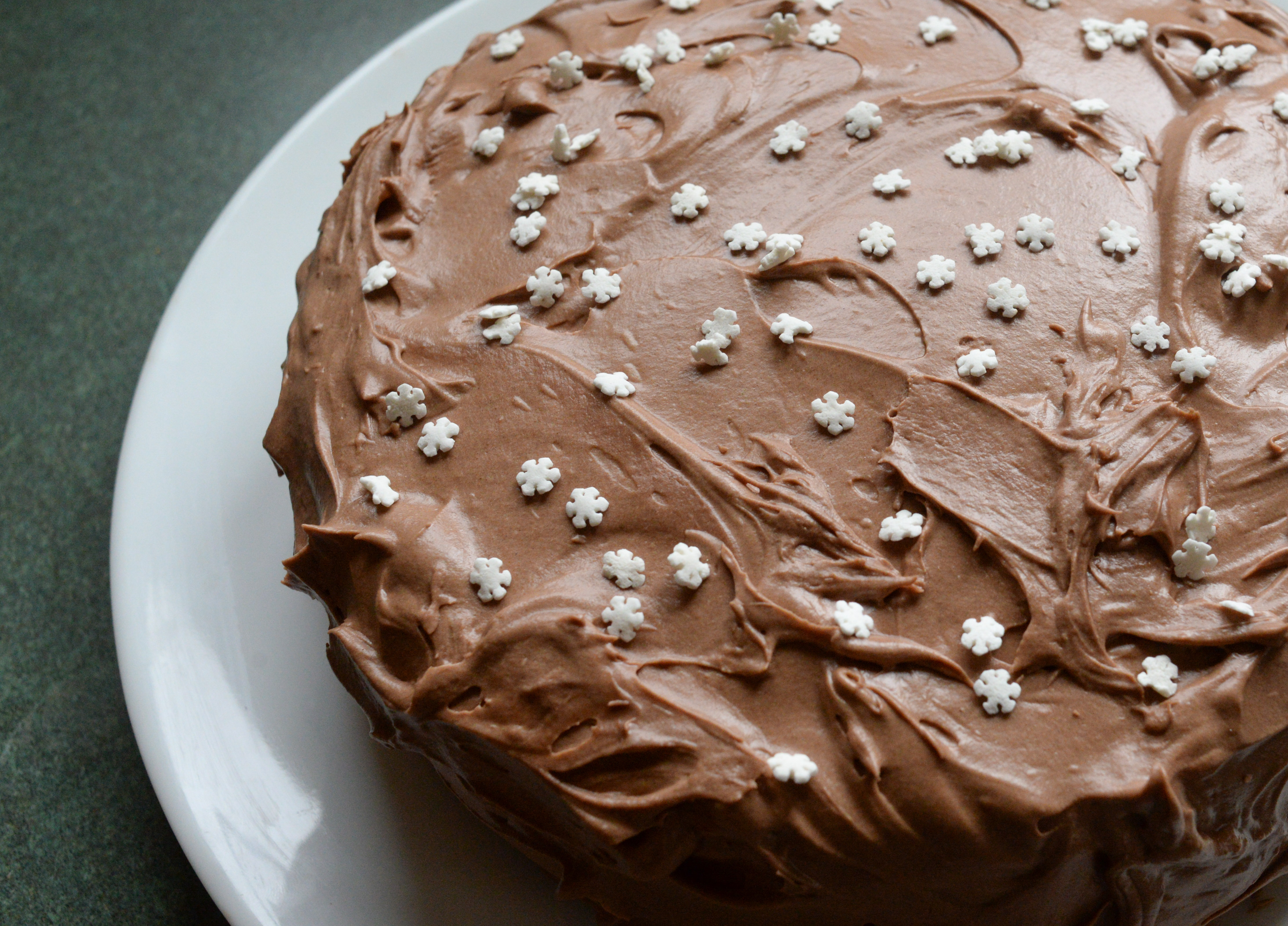
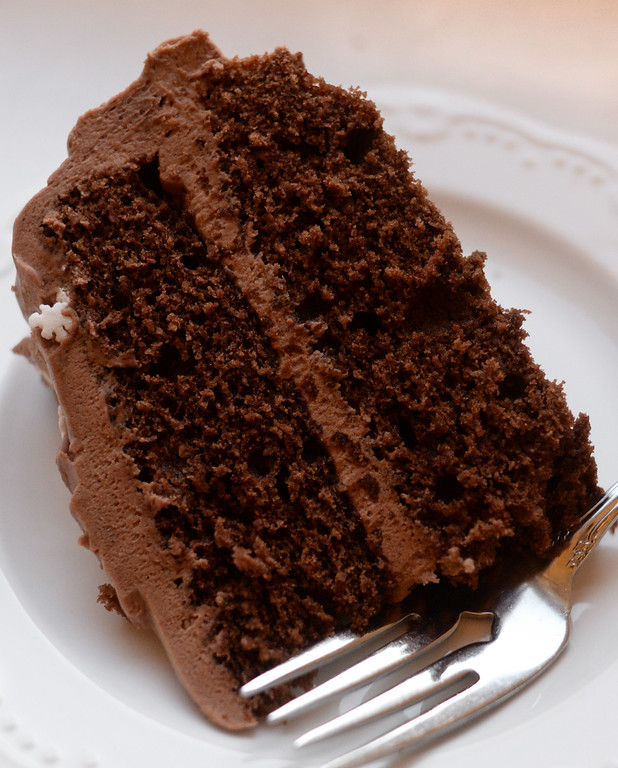
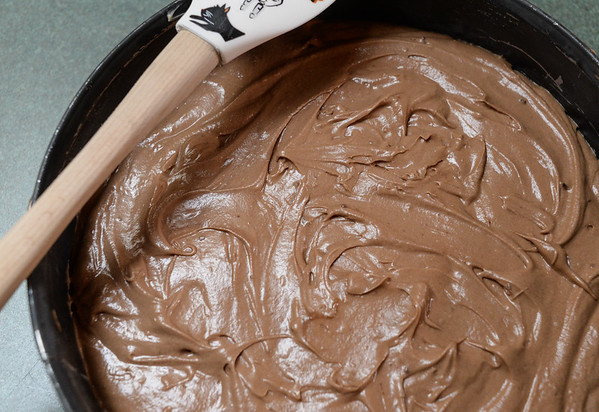
Another hit comes just two pages later in the form of snow-flecked brownies. Divinely rich and gooey, these white chocolate-studded brownies always satisfy. The same can be said for Lawson’s chocolate Guinness cake. Iced with an ethereal cream cheese frosting that bears a striking resemblance to the head on its dry stout namesake, chocolate Guinness cake remains a delight for the eyes as well as the palate. Whether I’ve taken it to a holiday party, served it for a birthday or just shared it with friends, this gorgeous sweet gets showered with compliments.

Along with countless opportunities to be bathed in praise, Feast supplies me with interchangeable, festive recipes that can be used throughout the year. Replace the frozen peas with fresh in Halloween’s slime soup and I have a lovely soup that celebrates spring’s bounty. Similarly, Rosh Hashanah’s pomegranate jewel cake works wonders at Christmastime while New Year’s bitter endive salad dazzles in spring.

Entertaining, informative text. Versatile, accessible recipes. Useful cooking tips. It’s no wonder that Feast is one of my best kitchen buds.

Southeast Asian Soiree

I adore theme parties. Since I also love to travel and do it quite a bit, a recurrent party theme in my household is the cuisine and culture of foreign lands. Two weeks ago my husband and I pulled together a world cultures shindig featuring high points from such countries as Vietnam, Cambodia and Malaysia a/k/a a Southeast Asian Soiree.

If I were geographically accurate, I would have included Thailand, Laos, Myanmar, Indonesia, the Philippines, East Timor and Singapore on the menu. However, since I’ve only visited three Southeast Asian countries, our friends got a taste of those plus a smidgen of India. Granted, India isn’t in Southeast Asia but it has had a tremendous influence on the cuisine and history of this region. Plus, I’ve mastered some darned good Indian recipes.

What can you anticipate from a night of Southeast Asian delights? Lots of fresh fruit such as mango, papaya, pineapple, coconut and melon and fresh vegetables and herbs such as basil, ginger, lemongrass, mint, chili pepper and potato. You can count on an interplay between spicy and sweet as coconut milk partners with chilies, ginger with pineapple, etc. For that matter, you can expect a bit of heat and saltiness as chili, soy and fish sauces are commonplace condiments in these countries.

Since seafood and poultry are the primary animal protein sources in these lands, shrimp and chicken made appearances on the buffet table. I featured the two in steamed dumplings, fried egg rolls, a curry and a spicy saute.

A staple of Southeast Asian cuisine, rice also played a prominent role on SEA night. On that evening it accompanied 12 quarts of curry chicken. Dressed with soy sauce or the hot chili sauce sriracha, it also served as a vegetarian option for the non-meat eaters in the bunch.

Along with food there was music, courtesy of Dengue Fever, the Clash and a variety of Vietnam War-era bands. There were decorations including statuettes of elephants, Ganesha and Buddha, printed tablecloths and vases acquired on our travels as well as Chinese-style lanterns bought in the East Village. For entertainment a friend gave origami lessons. Once again, it wasn’t strictly Southeast Asian but it was fun.

And now for a few requested recipes from the night.

CHINA BEACH
From Stephen Kittredge Cunningham’s The Bartender’s Black Book (The Wine Appreciation Guild, 2004)
Serves 1

ice
1 ounce vodka
1 ounce ginger liqueur
cranberry juice

Fill a glass with ice. Add the vodka and ginger liqueur. Fill the rest of the glass with cranberry juice. Stir and serve.

SESAME-SCALLION SOBA NOODLES
No, they’re not from Southeast Asia but they are delicious and easy to make. This tastes just as good with or without the scallions.
Serves 1

2 tablespoons sesame seeds, toasted
1 to 2 scallions, white and 1-inch of green part minced
1 individual package of soba noodles (found in Asian section of larger grocery stores)
1 teaspoon sesame oil
2 teaspoon rice vinegar
2 teaspoons honey
4 teaspoons lite soy sauce

Boil the soba noodles for about 6 minutes (or according to instructions on package), until they are tender. Drain and plunge into a bowl of ice water to stop from further cooking.

In a small bowl mix together the vinegar, soy sauce, honey and oil.

Drain the noodles. Place the noodles, sesame seeds and scallions in a serving bowl, pour the sauce over the top and toss to combine.

Cafe Mogador – NY, NY

If you follow this blog or my syndicated stories, you’ve probably picked up on my love of Moroccan food. Spurred on by my infatuation with this sweetly spicy cuisine, I have tried countless Moroccan restaurants. Unfortunately, I usually end these meals thinking that I could have saved a few dollars and made the dishes better myself. This trend changed a few years ago when a friend suggested that I check out Cafe Mogador in the East Village. For once I didn’t walk away grumbling about my bad dining experience. In fact, I keep going back for more.

In business since 1983 this family-owned and operated restaurant offers well-crafted, traditional Moroccan foods in a sunny, surprisingly spacious dining area. Hankering an aromatic tagine of lamb, apricots and prunes or soft pita stuffed with succulent marinated chicken, crisp lettuce, tomatoes and a smear of tahini? Perhaps you crave a good, flaky, chicken-stuffed pastry known as bisteeya or seasoned North African sausage, merguez, paired with steamed vegetables, legumes, dried fruit and fluffy couscous with a glass of chilled white wine. If so, Cafe Mogador is the place for you, too.

For newcomers to Moroccan cuisine, the restaurant provides a tasty introduction with its mixed platter (pictured above). The staples of North African mezze — hummus, tabbouleh, the eggplant-based babaganoush, the tomato-bell pepper specialty matbucha, and chopped salad — star in this healthful meal. Newbies as well as longtime fans will enjoy the cafe’s falafel with fresh pita, salad and dressings such as tahini and the fiery, Moroccan chili paste harissa. Finish off these repasts with a pot of hot, sweet, mint tea and you’ll feel as though you’re in the heart of Casablanca instead of a Lower Manhattan neighborhood.

On weekends Cafe Mogador serves organic omelets as well as poached eggs over English muffins a la eggs Benedict and Moroccan Benedict with home fries, salad, juice and cappuccino, espresso or tea. It also prepares delicious sandwiches such as the zesty Mogador burger, sautéed salmon cake and vegetarian-friendly avocado, cucumber, tomato, greens and red onion on seven-grain bread. Get there early or expect to wait for a table; the cafe’s wholesome yet inexpensive brunch brings in big crowds.

The Beauty of Brioche

The past few Saturdays my morning ritual has been to throw on some clothes and hustle over to our neighborhood farmers’ market. My mission? To get there before someone else buys all of St. Peter’s Bakery’s brioche sticky buns. Thanks to their rich yet light dough, these brioche-based buns are the most divine that I’ve ever eaten.

Rumored to have originated in Normandy, France in the Middle Ages, brioche is a light yeast bread or cake made from flour, butter, eggs and, of course, yeast. Its name comes from the verb broyer, meaning to break up. The breaking up refers to the dough’s need for repeated and prolonged kneading.

In addition to increased kneading, brioche usually requires three, rather than just two, rising periods. In France this extra time and effort has prompted most to buy, rather than bake their own, brioche. Shops devoted to brioche, known as viennoiseries, have sprung up to serve this need.

In the 19th century it became the custom to bake this dough in a deep, fluted pan. The resulting bread possessed a narrow base and a wide, pillowy top. While this form still exists, I more often encounter the Parisian version. Instead of using special pans, Parisian bakers place small balls of dough atop larger ones, creating what is known as brioche à tête or ‘brioche with a head.’ Along with brioche à tête I also have seen brioche loaves, plaits and buns.

As it’s a versatile dough, I’ve come across brioches filled with fruit, cheese, nuts, meats or whipped cream. In any case, it’s traditionally consumed at breakfast or as a snack with a cup of coffee, tea or hot chocolate.
BRIOCHES À TÊTE
From Baking at Home with the Culinary Institute of America (Wiley, 2004)
Makes 24 individual brioches

NOTE: Brioche dough will keep for up to 1 week in the refrigerator and 2 months in the freezer.

5 cups flour, plus extra as needed
2 1/2 teaspoons active dry yeast
4 large eggs, plus 1 beaten egg for brushing
1/2 cup whole milk
1/4 cup sugar
2 teaspoons salt
3 sticks unsalted butter, diced, at room temperature
cooking spray for greasing

Combine the flour and yeast in the bowl of a stand mixer fitted with a dough hook. Add the eggs, milk, sugar and salt and mix on low until evenly blended, scraping down the bowl as needed, about 4 minutes.

Gradually add the butter with the mixer running on low speed, scraping down as needed, about 2 minutes. After the butter has veen fully incorporated, increase the speed to medium and knead until the dough begins to pull away from the sides of the bowl and is quite elastic, about 15 minutes.

Remove the dough, shape into a brick, wrap in plastic wrap and refrigerate for at least 8 hours.

Coat individual brioche tins or muffin pans with cooking spray.

To shape the brioche, remove the dough from the refrigerator and cut into 24 equal pieces, about 2 ounces each. Preshape each piece by rolling it into a 3-inch long cylinder. Coat the edge of your palm with flour and then roll the dough back and forth about 1 inch from the end of the cylinder to create a head (tête) that’s still attached to the dough; it should look like a bowling pin. Transfer the brioche, head up, to the mold. Hold the head with fingertips of one hand and push it down against the larger portion of the dough so that the head sits on the surface of the brioche. Brush lightly with egg wash. Repeat until all the brioches are made. (If the dough becomes too sticky, return to the fridge until chilled.)

Cover the brioches with a clean, damp towel and allow to rise until nearly double in size, 1 1/2 to 2 hours. Meanwhile, preheat the oven to 375 degrees Fahrenheit.

Brush the brioches with beaten egg once more before baking. Bake until golden brown, about 15 minutes. Let cool in tins or muffin pans for 10 minutes. Unmold and finish cooling on wire rack before serving.